This review is largely for American’s who might be afraid of Denny’s because of what they know back home. Japan’s Denny’s is waaaay better. It’s one of the few places you can get a breakfast and they have tablets to make ordering easy. While we come here for an experience, it can be a nice break from the stress of trying not to be so American. As far as this particular location is concerned, its food, consistency, friendliness and cleanliness is on par with other Denny’s. Solid.
Overview
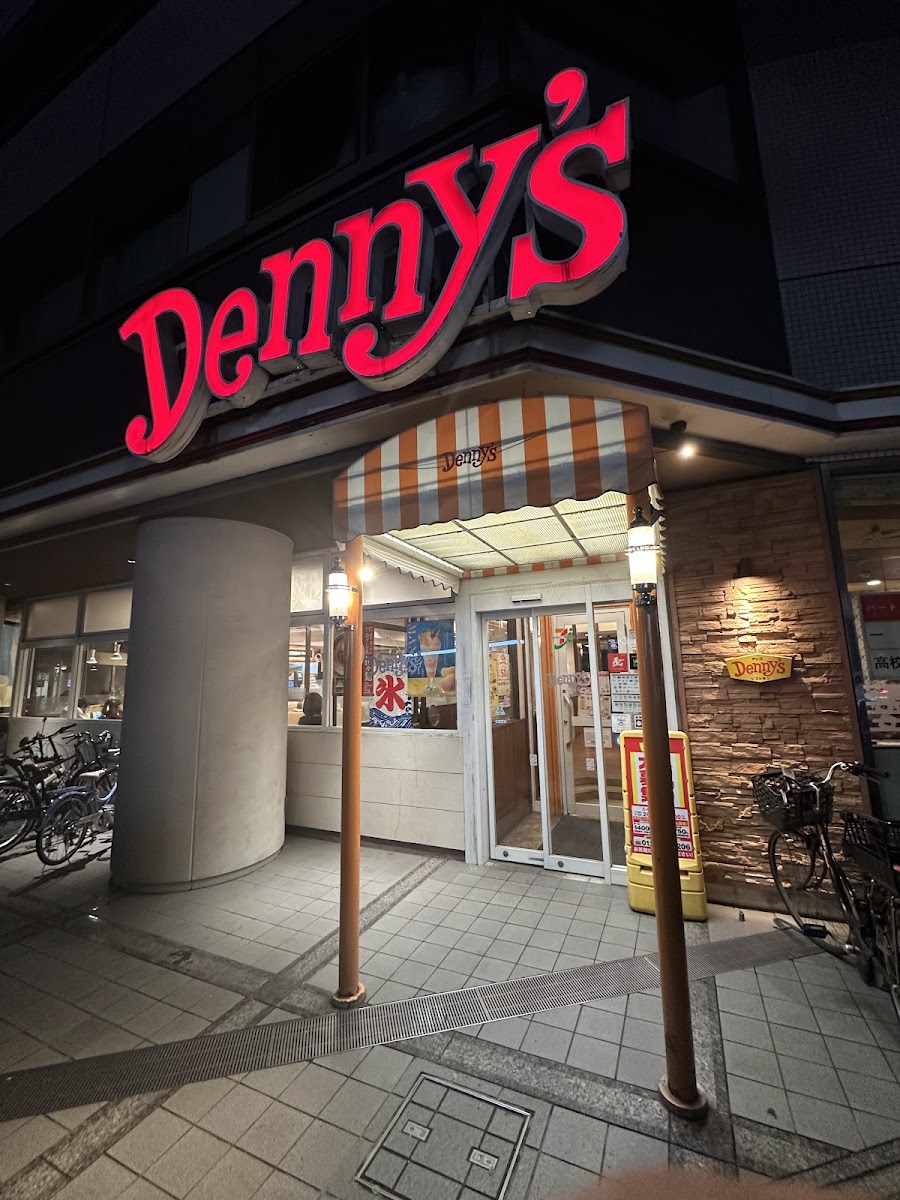
Walking into Denny's Nampeidai feels a little like stepping into a familiar American diner that’s been carefully tuned to Tokyo life. I first stopped by after a long afternoon in Shibuya, when I needed something reliable, filling, and calm. This particular location sits at Japan, 〒150-0036 Tokyo, Shibuya, Nanpeidaicho, 16−11 Mfpr Shibuya Nanpeidai Building, 1階, and compared to the chaos around Shibuya Station, the atmosphere here is noticeably relaxed. That contrast alone makes it a favorite for locals who want space to breathe, eat, and actually hear their own conversations.
The menu is where this diner really shows how well it understands its audience. You’ll find classic Denny’s staples like pancakes, omelets, burgers, and breakfast plates served all day, but also dishes adapted for Japanese tastes. Rice-based sets, lighter seasoning, and carefully balanced portions make it approachable even for people who usually avoid heavy diner food. During one visit, I ordered the hamburger steak with rice and a side salad, a combo that’s consistently mentioned in reviews for being dependable and well-priced. The food arrives fast, stays hot, and tastes exactly like you expect, which is kind of the point. According to consumer behavior studies from the Japan Foodservice Association, consistency is one of the top reasons diners return to family restaurants, and this location nails that expectation every time.
Service at this Nampeidai branch is another strong point. Staff members are attentive without hovering, and orders are handled efficiently using tablet systems common across Japan’s casual dining scene. That process reduces mistakes and speeds up service, something researchers from the National Restaurant Association often cite as a key factor in customer satisfaction. I’ve personally seen staff handle large groups, solo diners, and late-night customers with the same steady professionalism, which builds trust over repeat visits.
What surprised me most was how many different situations this place fits into. On weekdays, it’s packed with office workers having quiet lunches or informal meetings. In the evenings, families and couples fill the booths, while late at night it becomes a refuge for students and night owls. Because it’s open long hours, it often shows up in reviews as a reliable fallback when other kitchens are closed. One regular I chatted with mentioned using it as a study spot thanks to the calm lighting and accessible power outlets, a small but thoughtful detail.
Nutritional transparency is another area where this diner stands out. Calorie counts and allergen information are clearly listed, which aligns with guidelines promoted by organizations like Japan’s Consumer Affairs Agency. While it’s not health food, it allows diners to make informed choices, something increasingly important as people balance convenience with wellness. That said, the menu doesn’t cater deeply to specialized diets, so those looking for vegan-only or gluten-free kitchens may find limited options.
Location-wise, this branch benefits from being just far enough from the main Shibuya crowds. It’s easy to reach, but not overwhelmed, which makes it popular for repeat visits rather than just tourist traffic. The interior is clean, comfortable, and familiar, with booths designed for long stays rather than rushed meals. That design choice reflects a broader trend in Japanese diners, where comfort and usability often matter as much as the food itself.
If there’s one limitation, it’s that the experience won’t surprise you. This is not a place for experimental cuisine or chef-driven menus. Instead, it delivers reliability, comfort, and value. For many diners, including myself, that predictability is exactly why it works. In a city that moves as fast as Tokyo, having a restaurant where you know what you’ll get, how much you’ll pay, and how you’ll feel afterward is a quiet luxury.
Good to know
Service options
✓ Delivery ✓ Takeaway ✓ Dine-inHighlights
✓ Great coffee ✓ Great dessert ✓ Great tea selectionPopular for
✓ Breakfast ✓ Lunch ✓ Dinner ✓ Solo diningAccessibility
✓ Wheelchair-accessible car park ✓ Wheelchair-accessible entranceOfferings
✓ Alcohol ✓ Beer ✓ Coffee ✓ Late-night food ✓ Quick bite ✓ Small plates ✓ WineDining options
✓ Breakfast ✓ Brunch ✓ Lunch ✓ Dinner ✓ Dessert ✓ Seating ✓ Table serviceAmenities
✓ Toilet ✓ Wi-Fi ✓ Wi-FiAtmosphere
✓ Casual ✓ Cosy ✓ QuietCrowd
✓ Groups ✓ University studentsPlanning
✓ Accepts reservationsPayments
✓ Credit cards ✓ Debit cards ✓ NFC mobile payments ✓ PayPay ✓ Rakuten Pay ✓ Credit cardsChildren
✓ Good for kids ✓ Good for kids birthday ✓ High chairs ✓ Kids' menuParking
✓ Free parking lot ✓ On-site parking ✓ Paid parking lot ✓ ParkingPhotos
1 / 4
Location
Reviews
- No ratings yet 857 reviews
Love the matcha parfait However service was slow and it took 20-30min for my Hamburg rice.
So much better than Denny's in the US! The traditional Japanese breakfasts with salmon and porridge are SOOOO good! We thought we'd eat there once to joke about eating at Denny's in another country, but it was so surprisingly amazing that we went back a second time with some friends!
Great place to get some quick pancakes (sadly not the fluffy kind).